
Interview with Martina Nemčić, Programme Manager at KLIK Energy Cooperative and at the One-Stop Shop of the city of Križevci, Croatia
1. Can you introduce yourself?
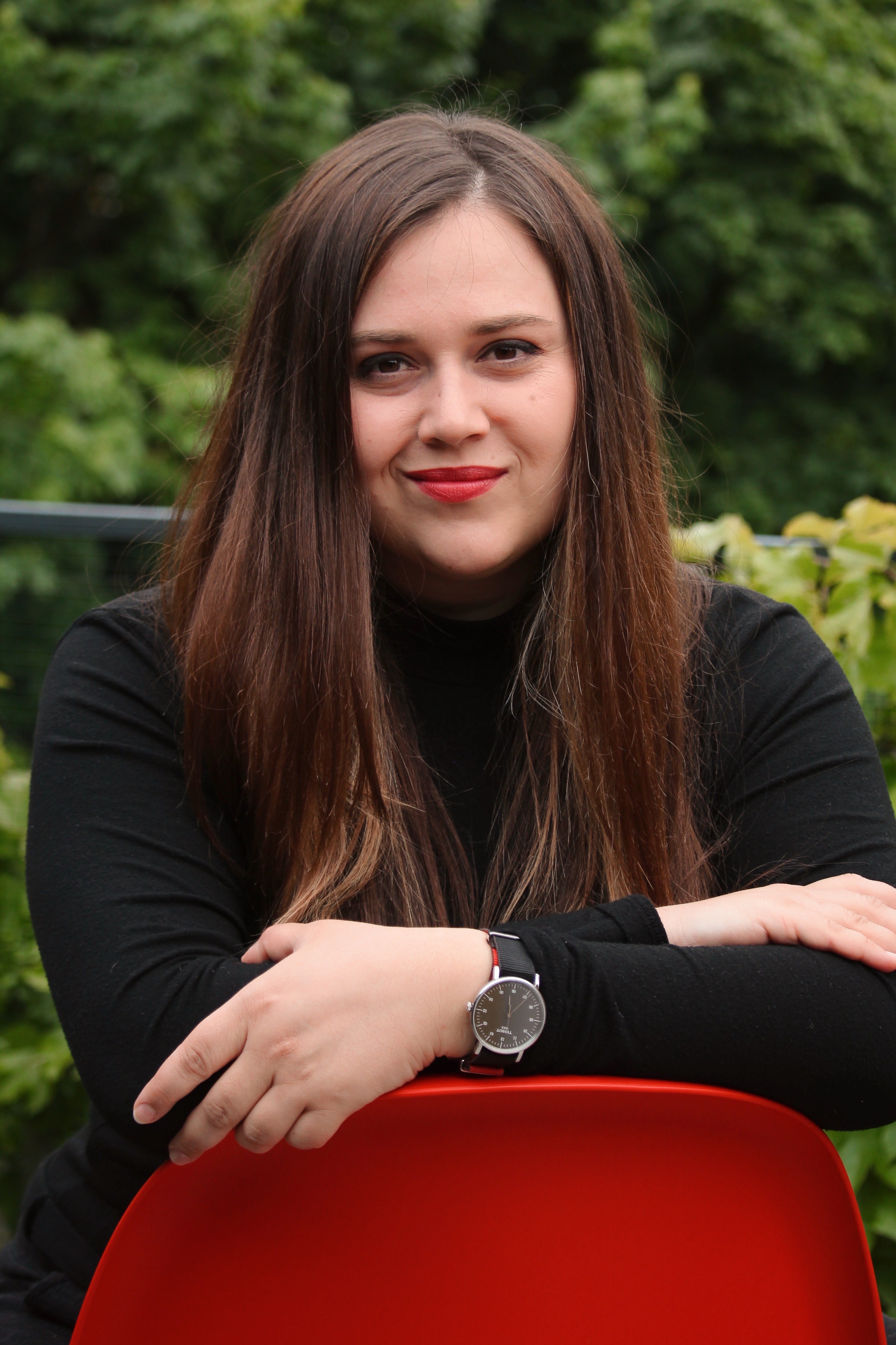
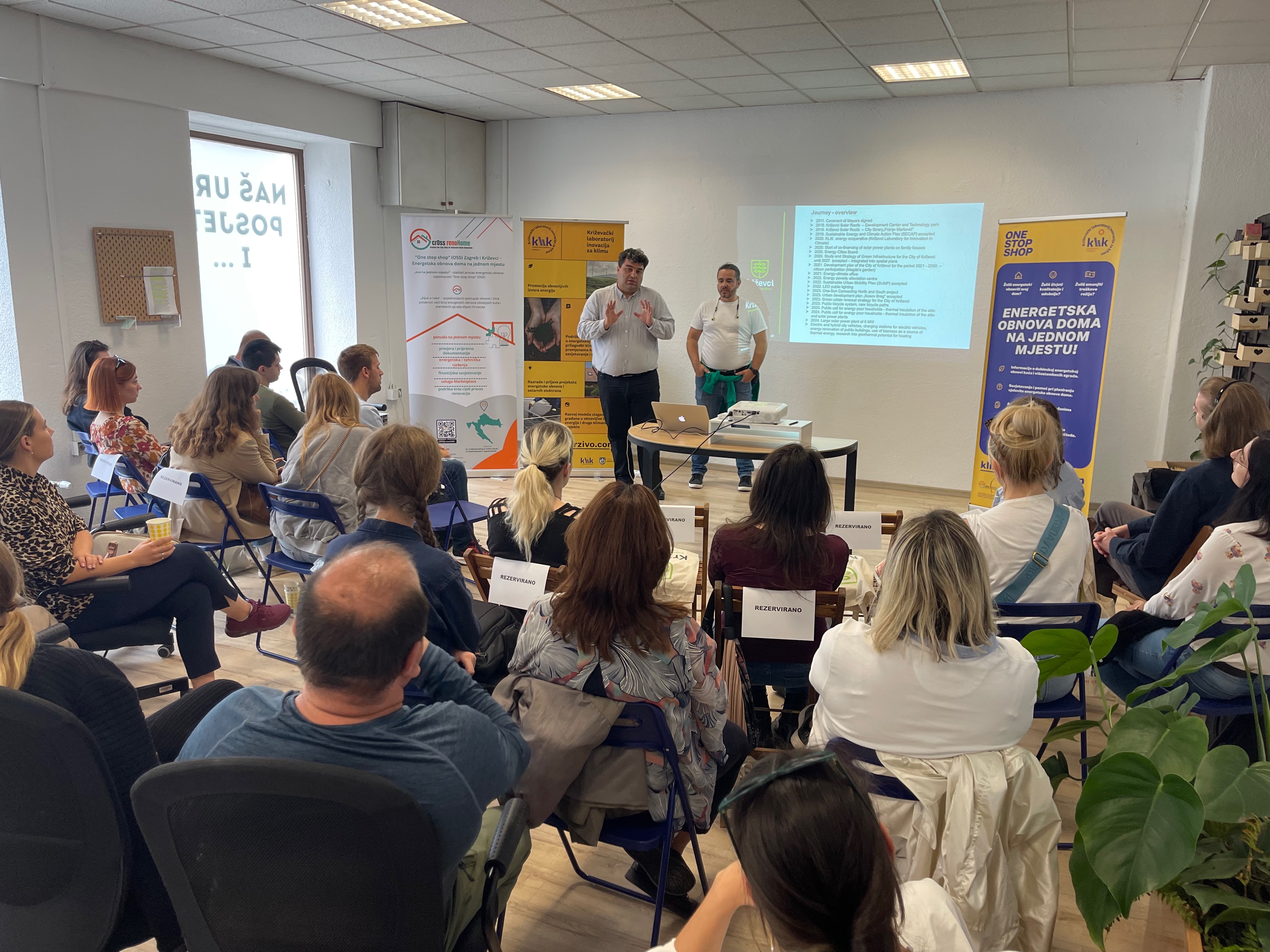
I'm Martina Nemčić. I'm the Program Manager at KLIK Energy Cooperative. I also manage the local One-Stop-Shop (OSS) for energy renovations in Križevci.
I have a background in Political Science and Communication. I have worked in digital marketing, communications, account management, project management, and business development in the IT sector. I am also a co-founder of Creek & Pine, Croatia’s first digital agency focused on designing and developing low-carbon websites.
For more than 13 years, I have been participating in community projects. I mainly co-founded and managed Orej, an association that supports rural youth. In 2025, I became an EU Climate Pact Ambassador. My focus areas are community energy, energy poverty, corporate decarbonisation, and the energy efficiency of digital products.
2. Where is your One-Stop Shop located?
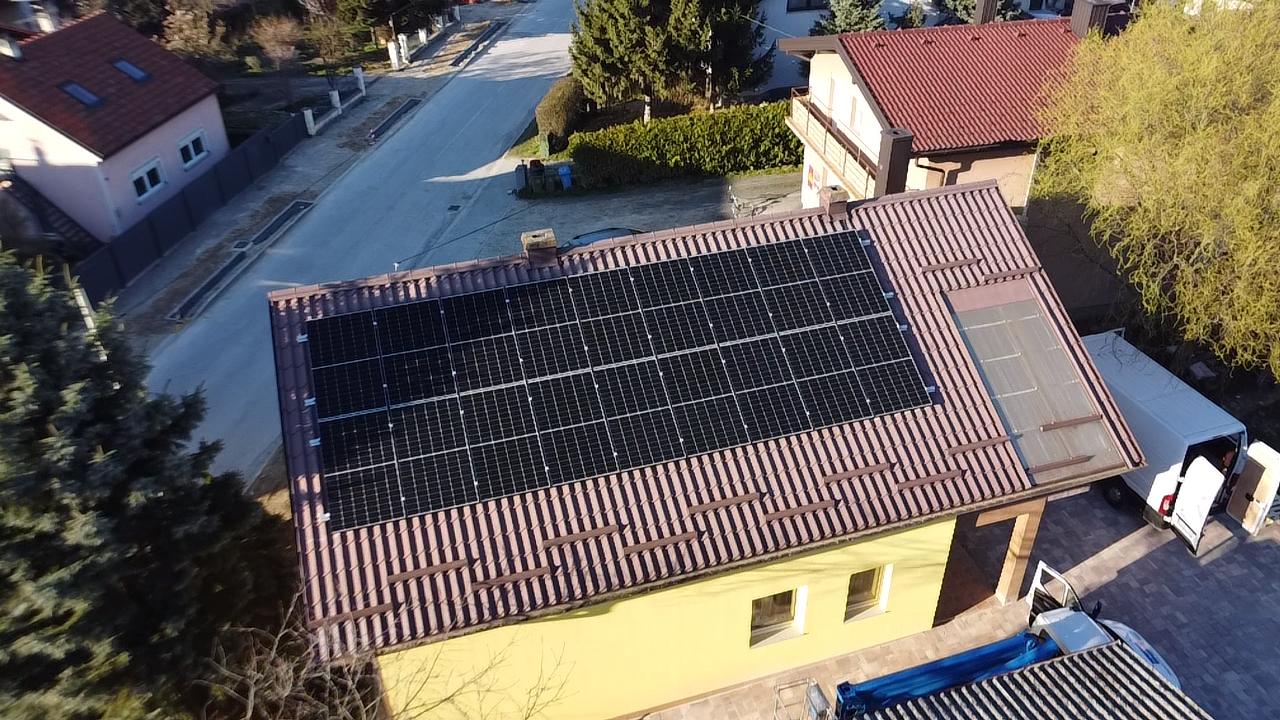
Our OSS is based in Križevci, a small town in northwestern Croatia with the population of nearly 20,000 when including its 59 surrounding villages. The city is a member of Climate Alliance, Energy Cities and, since 2011, the Covenant of Mayors. Križevci aims to cut CO₂ emissions by at least 40% by 2030. From 2018 to 2025, the city backed three citizen-led energy projects, which included citizen-owned and citizen-funded solar power plants. It also co-financed hundreds of rooftop solar installations and many thermal insulation projects for family homes.
3. Tell us more about your One-Stop Shop
KLIK Energy Cooperative launched the OSS in September 2024. The OSS grew from the Energy and Climate Office, set up in Križevci three years earlier by KLIK, with the support of the City of Križevci.
Today, we provide complete support for homeowners and housing associations who want to renovate their homes. This includes initial consultations, assistance with finding financing, project monitoring, and follow-up.
The OSS mission is to make energy renovation simple, fast, and accessible for all residents, whether they live in single-family homes or appartement buildings. Our vision is to be a trusted hub for high-quality, citizen-focused energy renovations.
The OSS is financed from several sources - public funds (EU projects, municipal budget), revenues from commercial services, cooperative membership fees, and, hopefully soon, partnership agreements.
From the start, the team brought together environmental, political science, project management and business skills. Most importantly, they shared a passion for the environment, climate solutions, and a strong appreciation for the community they serve.
4. What is the role of the city in the creation of your One-Stop Shop?
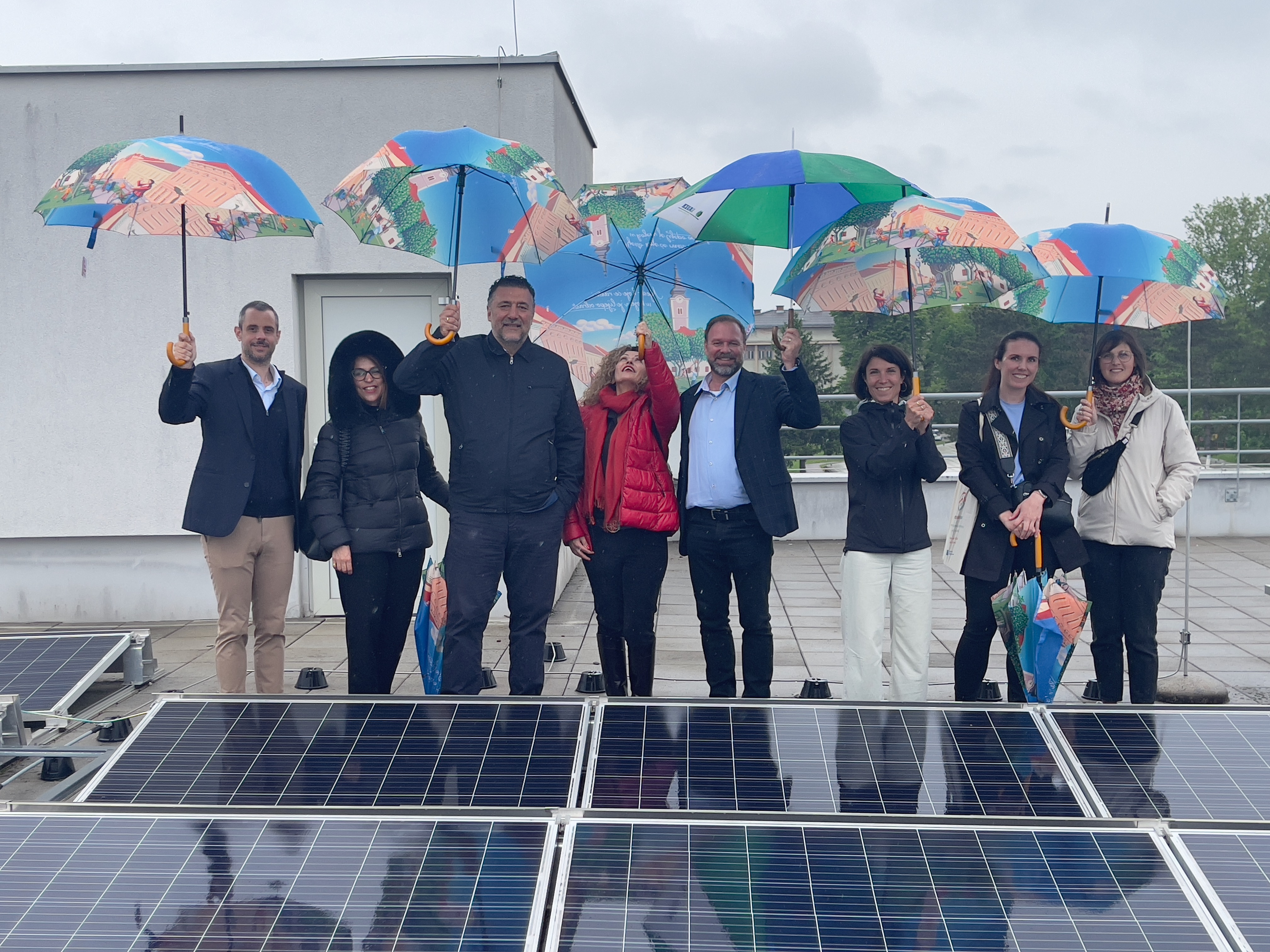
The city of Križevci initiated the establishment of the Energy and Climate Office. In the first year, the city provided office space. Then it offered small annual grants for operating the office. The OSS is an independent entity, separated from the city administration. However, we maintain a close partnership. Although we still operate from a city-owned space, we have been covering the monthly rent ourselves for a few years now.
With KLIK and the OSS, the city created a strong support structure for its citizens. Since 2021, we have added about 300 kW of new PV capacity each year. This growth cuts CO₂ emissions by around 20 tonnes a year. The city subsidised half of the €500,000 investment, with citizens funding the rest. In 2023, the program grew to include more energy renovation activities. It now covers full roof thermal insulation for at-risk citizens.
5. Setting up a One-Stop Shop is a long journey, how did it go?
The Energy and Climate Office was actually the city’s idea, led by former Mayor Mario Rajn. From the start, they were on board. They believed in climate goals and thought this office was the right tool. It would help drive the energy transition and engage the community. They even decided it should be right in the city centre, close to the municipal offices, so it would be easy for people to drop by whenever they were in town.
On the KLIK side, our manager and office team led the OSS setup. The OSS we have today is a real upgrade from the first Energy and Climate office. It was shaped by the the LIFE-funded CrOss renoHome project. From day one, we were excited and confident. We already had a good relationship with the community, and it was clear that people were interested in renewables and home energy renovation. The city often sends people our way to apply for subsidies. They know the applications will be complete and high-quality.
What we’re most proud of is the work we’ve done directly with citizens. Just this year, we’ve already consulted with over 110 people, and more than 70% of them got our hands-on help with the subsidy application process.
6. What are your biggest challenges and ambitions today?
The biggest challenge now is making sure the OSS can keep going once EU funding runs out. We’ll need to build partnerships with banks, private companies, and maybe expand our reach to stay sustainable. This is tricky because we help many at-risk citizens who need extra support but we can’t charge them for it. But that’s where we see the biggest impact. To us, the OSS is not for profit. It’s a public good. Local or national governments should support it.
Our big ambition is to support more home energy renovations. But, these projects depend heavily on national subsidies. For example, in 2025, the national programme is only open to energy-poor households, and the call won’t even open until September. Even so, we’ve already helped 12 citizens prepare their applications. On top of that, this year we’ve supported 10 at-risk households in applying for the local subsidy for attic thermal insulation.
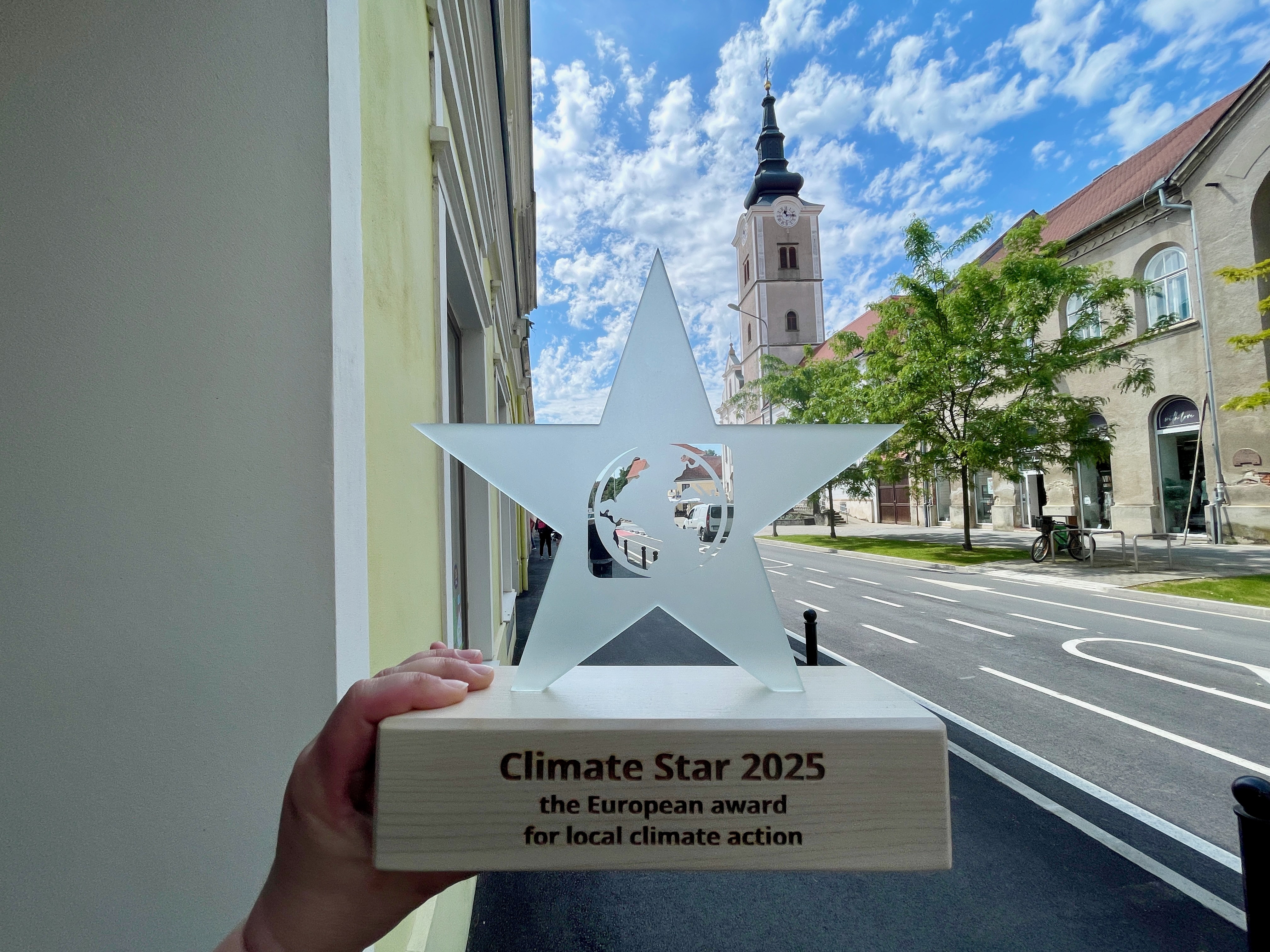
In 2024, our efforts with the City of Križevci earned us the Climate Star award from Climate Alliance, and in 2023 we won the EUSEW Local Energy Action Award. It feels good to see our work recognised. These moments show us that our work is more than just numbers. It’s about building trust, making an impact, and proving that a small office in a small city can create big change.
7. What would you do differently if you were setting up a OSS from scratch?
Anyone who works with people, especially in an OSS which is still a pretty new concept in this part of Europe, knows that it’s both hard and exhausting work. The impact is incredible and the results are so rewarding, but it does take a lot out of you. Since running the OSS isn’t KLIK’s main activity, a lot of the work I’ve mentioned actually happens in our spare time. That means many hours of volunteering and a huge dose of passion for the community and the environment.
There’s always pressure to make the office financially sustainable, but at the same time, what we’re doing is essentially a public service. If I were setting up an OSS today as a private entity, I’d make sure there was public funding for at least one full-time position on a proper public salary. In my view, an OSS should be supported by the local, regional, or national government.
If you see an OSS as purely private and commercial, the focus will naturally shift from regular citizens to businesses - because that’s what it would take to survive in the market. But that’s not the mission. In a proper public–private setup, I would also make sure the government provided the office space for this service. That way, the OSS could stay focused on helping citizens, not chasing profit.
8. Do you have any message for your peers or for your national or European policy makers?
For anyone thinking about starting an OSS, my biggest advice is: keep citizens at the heart of it from day one. Especially the most vulnerable ones. That’s where the real impact is, but also where it’s hardest to make a business case.
Don’t underestimate how much time and dedication it takes, and be realistic about funding. If your model relies only on monetizing services, you’ll either burn out or be forced to shift focus towards businesses instead of households. That’s exactly what we all need to avoid.
On the policy side, One-Stop Shops should be recognised and supported as public services - whether that’s at the local, national, or EU level. This means stable funding for at least one full-time position, and ideally free or subsidised office space. Without this, OSS teams will constantly be in survival mode, which slows down renovations and risks leaving at-risk citizens behind.
Narrow policies for renovation subsidies, like limiting calls to specific groups or having short timeframes, make our work harder. Long-term, predictable funding schemes and simpler application processes would help us plan better, reach more citizens, and speed up the energy transition.
My message to peers: don’t go alone. Build partnerships early: municipalities, NGOs, cooperatives, banks, and share the workload whenever possible.
And to policymakers: if you want One-Stop Shops to thrive and help deliver on climate goals, treat them as the public goods they are. Profit shouldn’t be the driver - impact should.
Discover why opening a One-Stop Shop for home energy renovation is your political win!
Join the EU Peers campaign and start building your One-Stop Shop now. Get inspiration and advice from more than 200 European One-Stop Shops and their supporters.

Related Articles

Why cooperate with financial institutions?
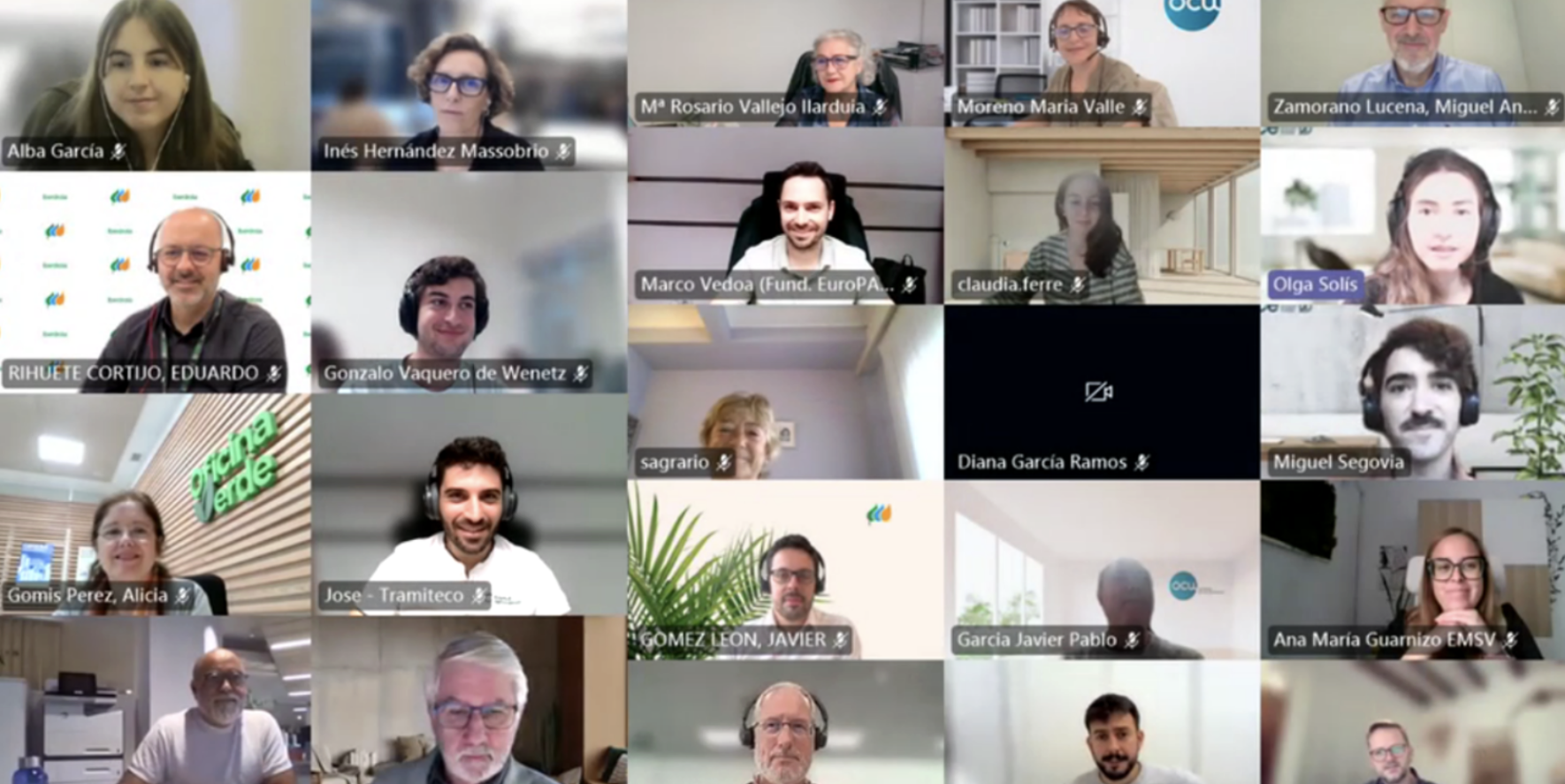
7th meeting of the EU Peers Spain community: high-quality projects and trusted contractors
Join a community dedicated to advancing residential energy renovation in Europe
Join a community dedicated to advancing residential energy renovation in Europe
Register in our collaboration hub to empower yourself, expand your knowledge, connect with other organisations, and scale up the IHRS sector.
