

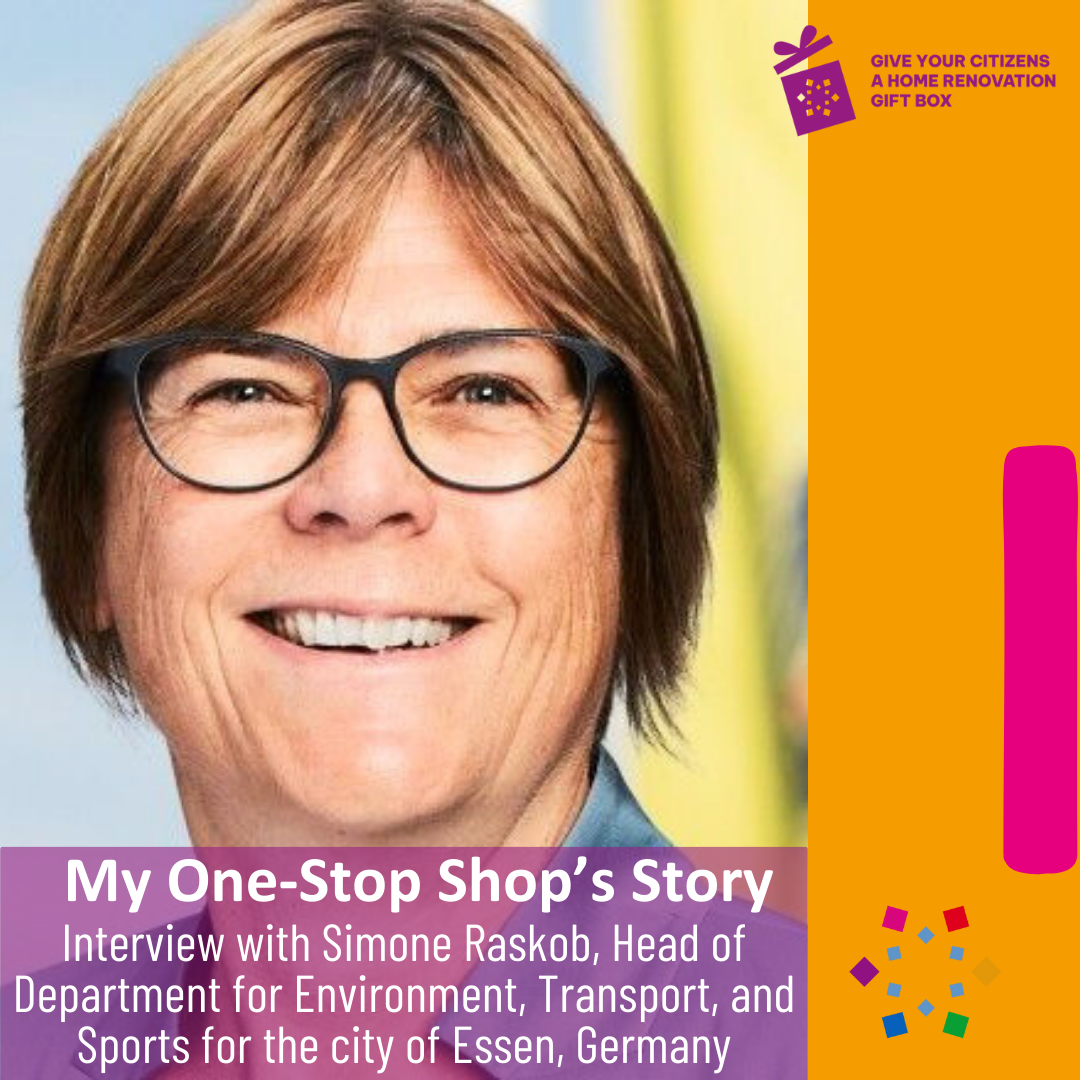
Please introduce yourself. What is your role in Essen One-Stop Shop?
My name is Simone Raskob, I am Head of Department for Environment, Transport, and Sports for the city of Essen in Germany. In this role, I initiated the decision-making process within the city administration and political bodies, resulting in setting up a One-Stop Shop (OSS) for home energy renovation. I am responsible for the planning and implementation of the OSS.
Can you present the city of Essen to us?
Located in the heart of the Ruhr region, Essen is the tenth-largest city in Germany, with about 596,000 residents. It is an industrial city that, in the past, was producing coal and steel. The structural transformation still influences Essen today. In 2023, the poverty risk rate was 22.5%, meaning that one in five residents is at risk of poverty. This figure is higher than the average of the 15 largest German cities, which stands at 20.6%.
The city has a stock of 91,450 residential buildings, out of which 82% were built before 1978, so before the first regulation on thermal insulatizon in Germany (“Wärmeschutzverordnung”). Two-thirds (more than 66%) of the city's residential buildings fall into efficiency class E or lower.
In 2017, Essen was named the European Green Capital. We developed a Sustainable Energy and Climate Action Plan and identified measures for achieving climate neutrality despite unfavorable socioeconomic conditions. One of the measures was to set up a OSS and a municipal funding scheme that would provide incentives for building renovations and the use of renewable energy sources such as photovoltaic systems. A key instrument for coordinating our climate protection efforts is the Green Capital Agency, which is also responsible for implementing the OSS.
Can you tell us more about your One-Stop Shop?
The planning for OSS started as early as in 2017 with the objective to increase the renovation rate. It was launched in November 2024. The OSS is a non-profit organization, 100% funded by the municipal budget. The municipal sponsorship means that we are not allowed to offer services that compete with commercial providers. Our services end where the economic interests of engineering or architecture firms or the appraisal services of craftsmen begin. For example, we cannot offer services like final building inspections.
It was very important for us to involve in the planning phase all relevant local market actors, such as the guild of craftsmen with its Climate Academy, the Chamber of Trade, Caritas, or the consumer association. Practical experience has shown that the cooperation does not necessarily lead to conflicts. For example, the consumer advice center mostly deals with legal questions, such as issues related to electricity or heating bills. Our OSS does not offer legal advice at all. Or, if we notice that our clients might need planning services, we refer them to the appropriate providers. As a result, we are not perceived as competitors but rather as cooperation partners.
Our financial independence is crucial for building trust in our advisory services, which would not exist if we pursued microeconomic interests. Moreover, rapidly changing regulatory frameworks at both, national and European levels, provoke uncertainty. Our primary task is to restore security and provide guidance to our citizens. Trust is a necessary condition to achieve that.
Our consultations vary in intensity and content: 85% of inquiries concern the technical implementation of renovation measures, for example the advantages and disadvantages of specific building envelope improvements. The second most common topic is financial support. Here, we advise not only on municipal subsidies but also on regional and national funding opportunities. The third most frequent topic involves legal uncertainties - such as existing or upcoming renovation obligations.
With a total of five full-time equivalents, our OSS is exceptionally well-staffed, by German standards. Currently, three engineers and architects handle consultations, supported by one person responsible for public relations and a coordinator focusing on networking and strategic development.
What are you most proud of so far?
It is difficult to quantify our success after only year. Internally, we compare our consultation volumes to other One-Stop Shops that we consider successful. Qualitatively, we could say that we have exceeded our expectations for the initial phase. The interest from neighboring municipalities and our active exchanges show that we are already well-established and serve them as a model. With two other municipalities and academic institutions, we are now involved in a research project studying the effectiveness of One-Stop Shops in collective renovation efforts at national level.
What are your plans for the coming years?
We see the development of the Essen OSS as an ongoing process. We recognize that we still have much to learn, try out, and adapt. This includes developing new consultation formats or further refining the existing ones. For example, we are currently exploring how to use Essen’s citizen outreach vehicle (“Bürgermobil”) to be more present in local neighborhoods.
In the short term, our goal is to secure third-party funding for the research project. In the medium term, we aim to establish and consolidate processes and workflows for our daily advisory work. A particular challenge is the city's tight budget. We must look for creative solutions. For instance, we had to forgo setting up a centralized consultation office. Instead, we will offer decentralized and service-oriented consultations in neighborhoods by using existing resources like local libraries or citizens’ offices.
Is there anything you would do differently if you were to set up an OSS today?
Seven years from the first declarations of intent to actual implementation - there’s certainly room for improvement and we should be self-critical in this regard. Currently, we are aligning our services with the revised Energy Performance of Buildings Directive (EPBD) from May 2024, which defines target groups and minimum standards for the content. Based on the directive, we offer consultations to both, private and commercial properties. We also target low-income and energy-poor households.
Do you have a message for your peers or political decision-makers at national or European level?
With a renovation rate below 0.7%, a comparatively low homeownership rate, and investment reluctance in the construction sector, Germany currently does not present an attractive market for OSSs with for-profit business models. It is foreseeable that OSSs implemented by public institutions will likely become the dominant model in Germany.
However, the financial situation of municipalities in Germany is tight and this will be a challenge for the EPBD implementation. We strongly support regional and national networking for OSSs that would facilitate sharing information and mutual learning.
The message from Essen is clear: We do not aim to keep any exclusive knowledge to ourselves. We welcome every exchange and all forms of cooperation. After all, the ability to cooperate is the driving force behind progress and one of humanity’s greatest evolutionary advantages.
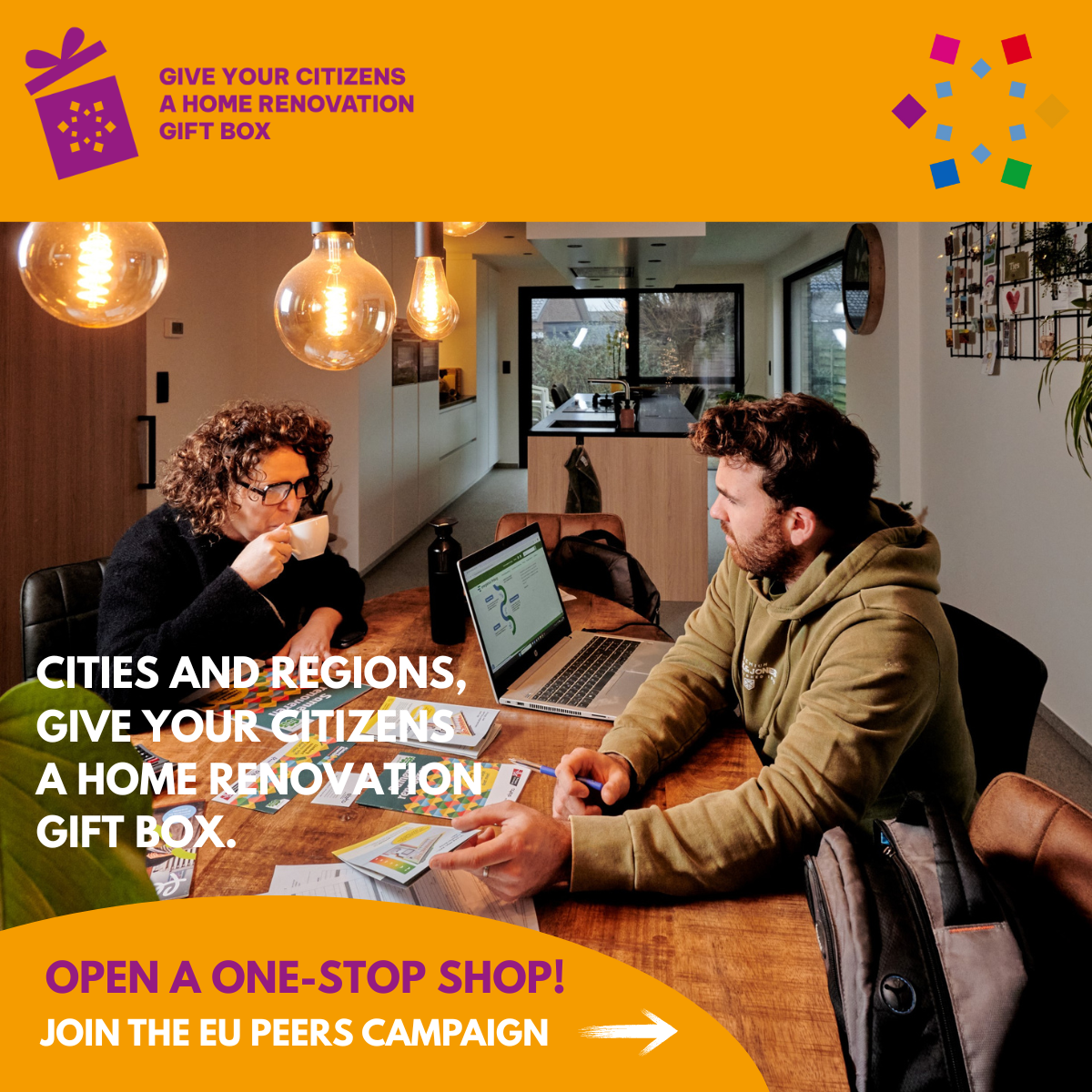
Discover why opening a One-Stop Shop for home energy renovation is your political win!
Join the EU Peers campaign and start building your One-Stop Shop now. Get inspiration and advice from more than 200 European One-Stop Shops and their supporters.

Related Articles
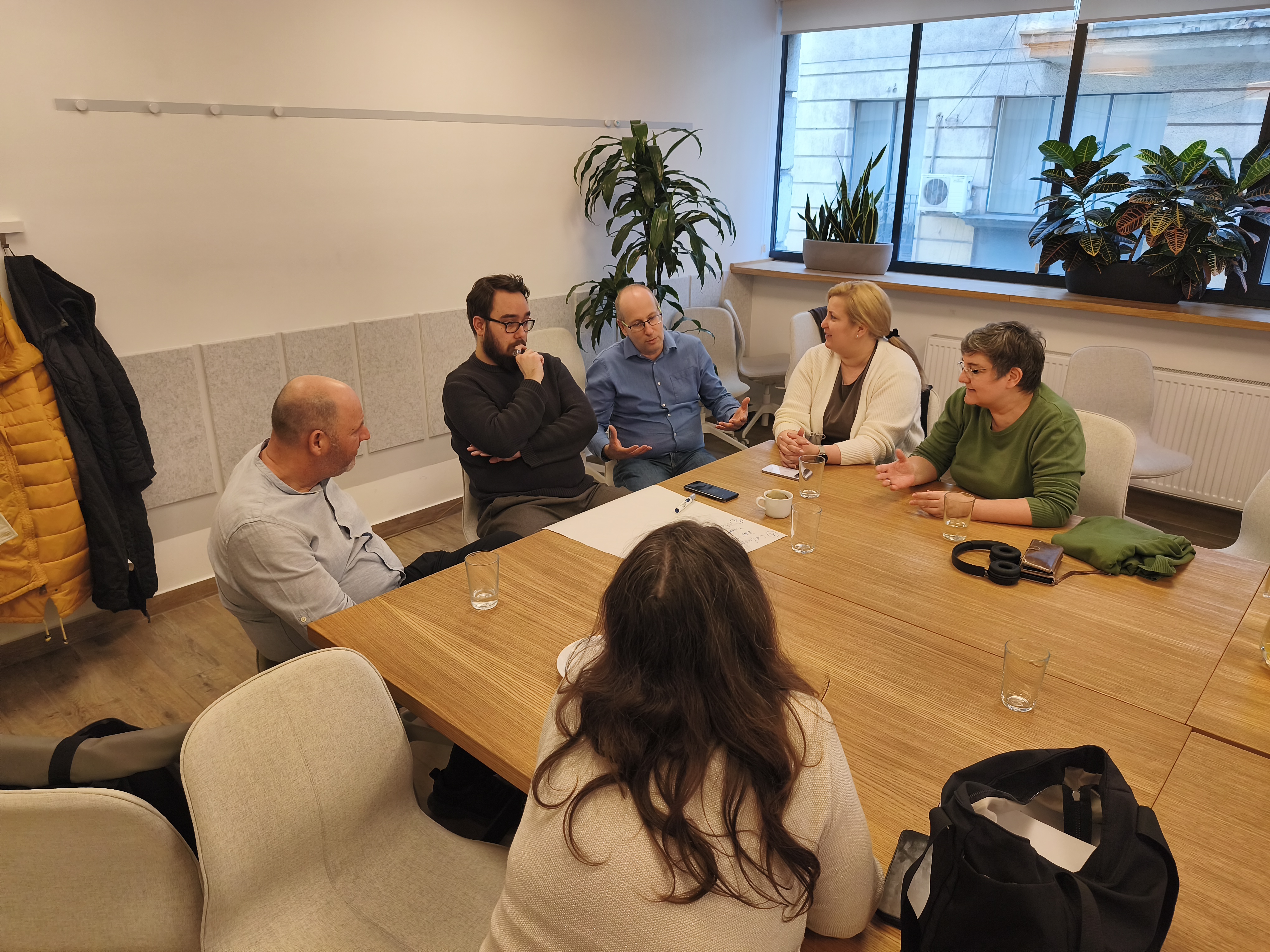
Insights into the EU Peers mentoring programme in Hungary: Helping municipalities turn renovation ambitions into action


Empower yourself by becoming a member of EU Peers Community of Practice!
Empower yourself by becoming a member of EU Peers Community of Practice!
Expand your knowledge, connect with other organisations, and scale up the sector of IHRS by joining the vibrant and evergrowing Community of Practice
