
Can energy communities serve as a powerful trigger for deep renovations in multi-apartment buildings?
A recent conversation between Ekubirojs, Renesco, Rēzekne municipality and representatives from Tartu suggests yes - but not without challenges.
As energy renovation policies shift towards more citizen involvement and climate resilience, actors on the ground are exploring new models to bridge the gap between financing, implementation, and community trust. This article shares insights from an ongoing collaboration involving the Baltic platform members, shedding light on how energy communities and long-term financing could reshape citizen-led renovation projects across Europe.
Revisiting Renovation: From Individual Upgrades to Collective Action
The meeting highlighted Latvia’s growing interest in energy communities as a potential solution to longstanding challenges in residential renovation: fragmented ownership, short financing periods, and a lack of trust in for-profit service providers.
Renesco, a key actor in Latvia’s energy service market, shared its experience working on deep renovation projects and integrating heat pumps and ventilation systems into older building stocks. The company emphasised the need to adapt technologies for Soviet-era building conditions and mentioned that government subsidies are facilitating the scaling of heat pump installations, although integrating them into existing district heating systems remains complex.
Why Energy Communities Matter
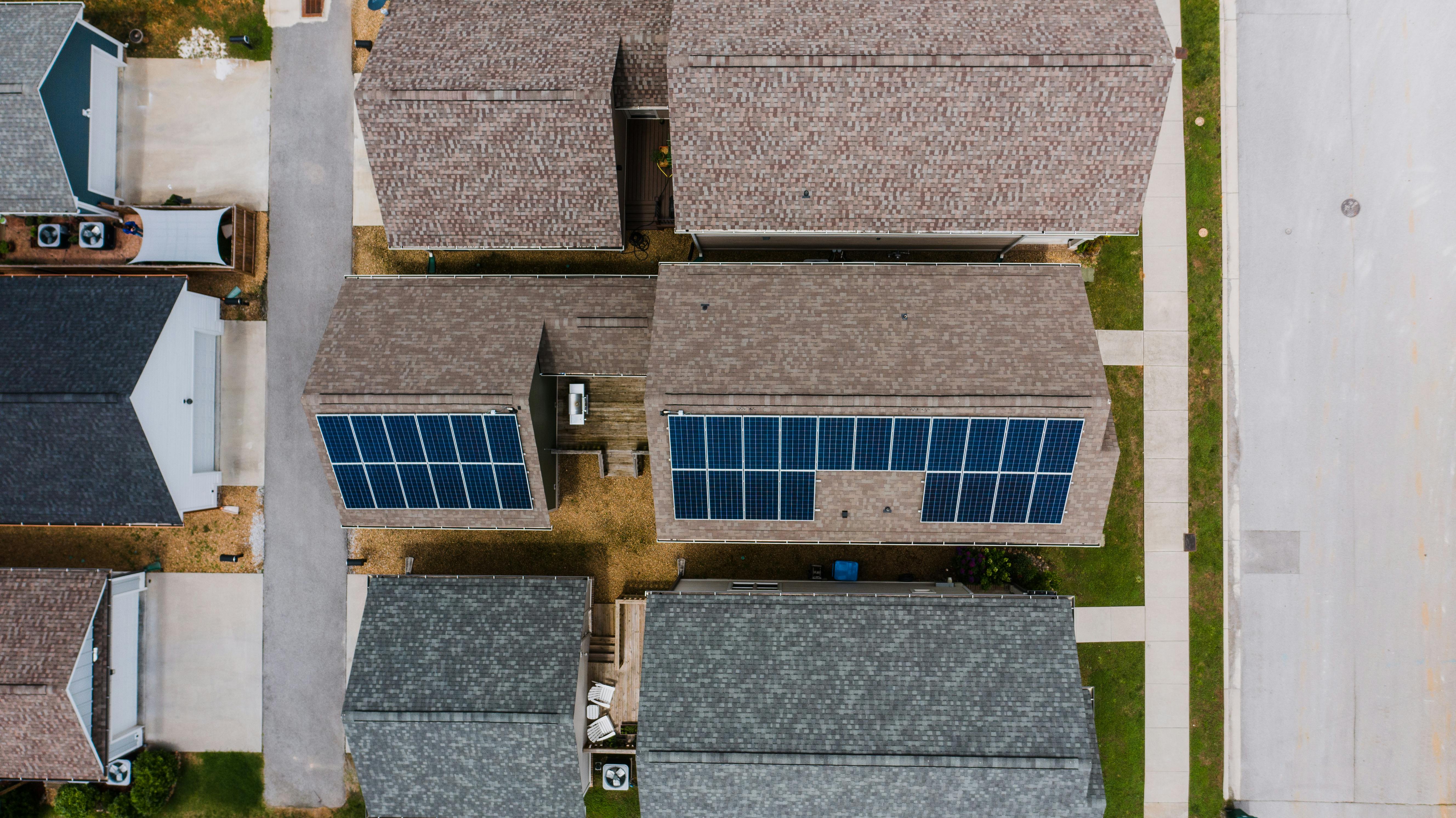
One of the most discussed ideas was the use of energy communities not just as producers of renewable energy but as vehicles for collective renovation. These communities could unlock synergies between photovoltaic installations, rooftop use, and sustainable heating solutions like heat pumps, all while improving residents' comfort and reducing energy bills.
However, setting up energy communities requires more than technical readiness: it demands social cohesion, transparent governance, and long-term financial tools. The meeting raised the possibility of designing pilot projects involving three buildings to test the model, with an emphasis on energy-poor households and citizen leadership.
Financing: The Missing Puzzle Piece
Across the conversation, financing emerged as a recurring barrier. Current loan terms - typically 10 years - do not align with the life cycle of deep renovation investments. Renesco and Ekubirojs called for 30- to 40-year financial instruments, enabling housing cooperatives and residents to afford upgrades without financial strain.
Another proposal involved energy service companies issuing loans directly, similar to practices in housing associations. The discussion touched on the LA BEEF (Latvian Building Energy Efficiency Facility) model, which has faced political pushback despite its success. The group agreed that political advocacy and continuity are vital to keeping such programmes alive and effective.
Policy Voice from the Baltic Region
The participants agreed on a strategic need for stronger regional representation in EU renovation initiatives. Despite the innovative efforts seen in Latvia, Estonia, and Lithuania, stakeholders noted a lack of visibility and voice in EU-level policy circles. The upcoming Baltic Platform meeting (expected in ~6 weeks) will offer a venue for regional actors to showcase good practices and call for more inclusive European support mechanisms.
Renesco expressed interest in sharing its experience as a speaker at the platform, particularly on technical integration challenges, as well as its approach to building trust with communities. Ekubirojs will coordinate this opportunity and facilitate continued knowledge sharing across the Baltic renovation ecosystem.
Call to Action
If your organisation is piloting or planning an energy community or citizen-led renovation initiative and would like to share your story, get in touch with the EU PEERS Baltic platform through our website or by writing to nicholas.stancioff@ekubirojs.lv. Collaboration across borders helps us address shared challenges more effectively.

Related Articles
.jpg)
5th Meeting of the EU Peers Spain Community on Business Models

IHRS: the key to unlocking deep renovation finance. How tailored financing and IHRS can break market barriers in Europe

Empower yourself by becoming a member of EU Peers Community of Practice!
Empower yourself by becoming a member of EU Peers Community of Practice!
Expand your knowledge, connect with other organisations, and scale up the sector of IHRS by joining the vibrant and evergrowing Community of Practice
