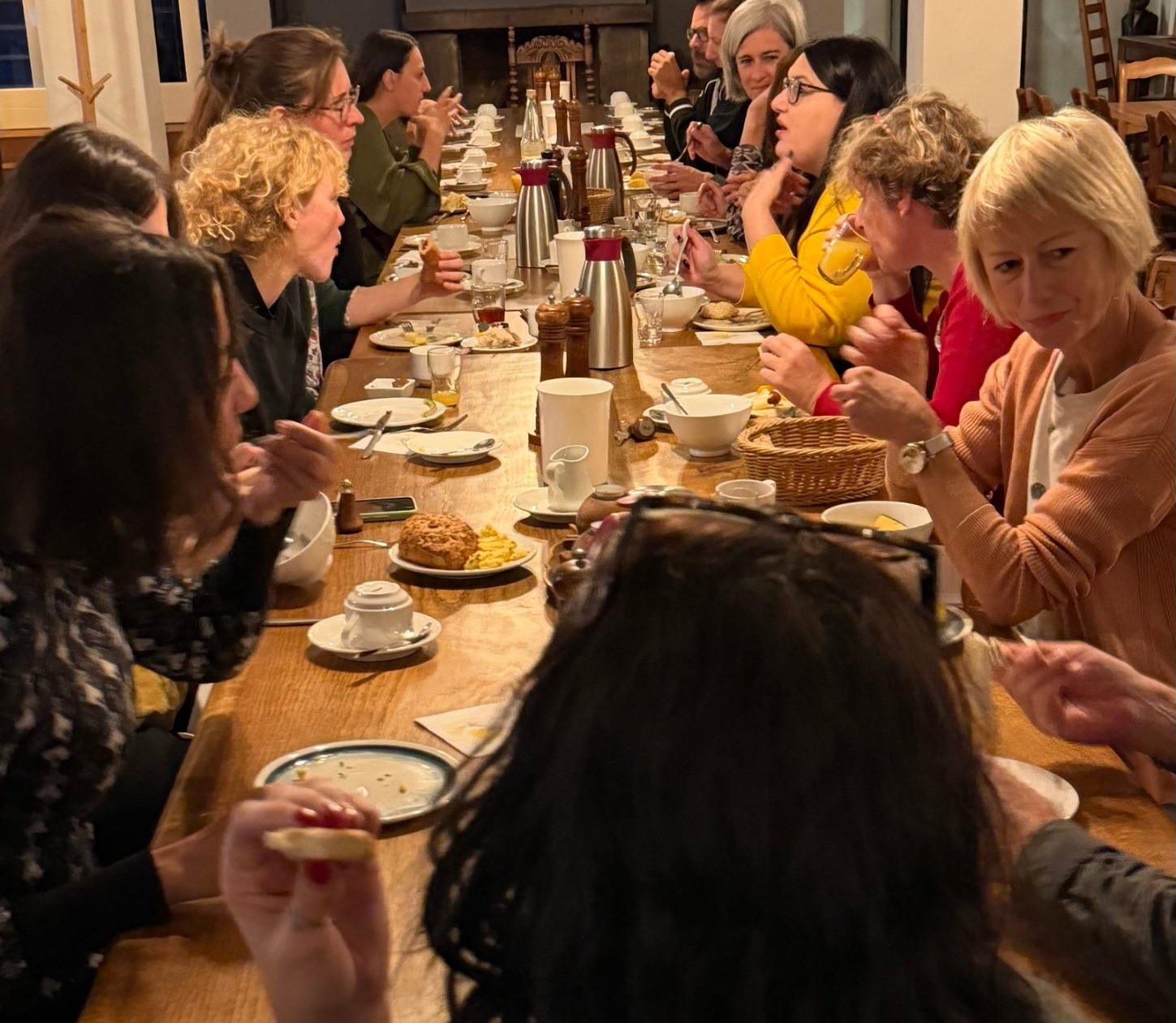
In early 2025, the ManagEnergy Master Class brought together 28 professionals from 14 EU countries to explore the design and implementation of One-Stop Shops (OSS) for home renovation. Through expert presentations, interactive discussions, and hands-on exercises, participants gained practical knowledge on financial models, stakeholder engagement, and operational strategies.
Key Highlights
Led by ManagEnergy Coordinator Seamus Hoyne, the training featured insights from several experts and case studies, including:
- EU PEERS - European Community of One-Stop-Shops for Home Energy Renovation by Marta Lupattelli, FEDARENE
- EU Policy overview and overview of paper "Towards large-scale roll out of “integrated home renovation services” by Christophe Milin, CINEA
- Renopont - the first One-Stop Shop in Hungary by Ilona Illésné-Szécsi, Hungarian Energy Efficiency Institute
- WHILARENO - OSS Innovation in the Netherlands by Sam de Guchteneire, Winst uit je woning / Home Profit
- Opengela – Large Scale Building Renovation & Urban Regeneration in the Basque Country by Jose Ramón López, EVE
- Electric Ireland Superhomes - Scaling Up Delivery by Stephen O'Connor, Electric Ireland SuperHomes
- SERAFIN – Third Party Financing network - Françoise Réfabert, Serafin
- Renov'Occitanie - the regional public service for private buildings renovation in Occitanie by Raphaelle Viénot, AREC Occitanie
A key takeaway from the event was that the challenge is no longer to implement OSS, but to scale them effectively. Participants worked on real-life scenarios, addressing barriers such as financial sustainability, regulatory frameworks, and market engagement.
Lessons for the Future
1. Homeowners need clear, engaging information to encourage renovation.
2. Policy and legal frameworks play a critical role – OSS implementation must align with national and EU regulations.
3. Funding models must be diverse – Public-private partnerships, grants, and innovative financing are key to long-term success.
With the next ManagEnergy Master Class planned for late 2025, the program continues to support cities and regions in scaling up sustainable renovation solutions across Europe.
Read the full original article by ManagEnergy here.

Related Articles


Join a community dedicated to advancing residential energy renovation in Europe
Join a community dedicated to advancing residential energy renovation in Europe
Register in our collaboration hub to empower yourself, expand your knowledge, connect with other organisations, and scale up the IHRS sector.